CNC Milling
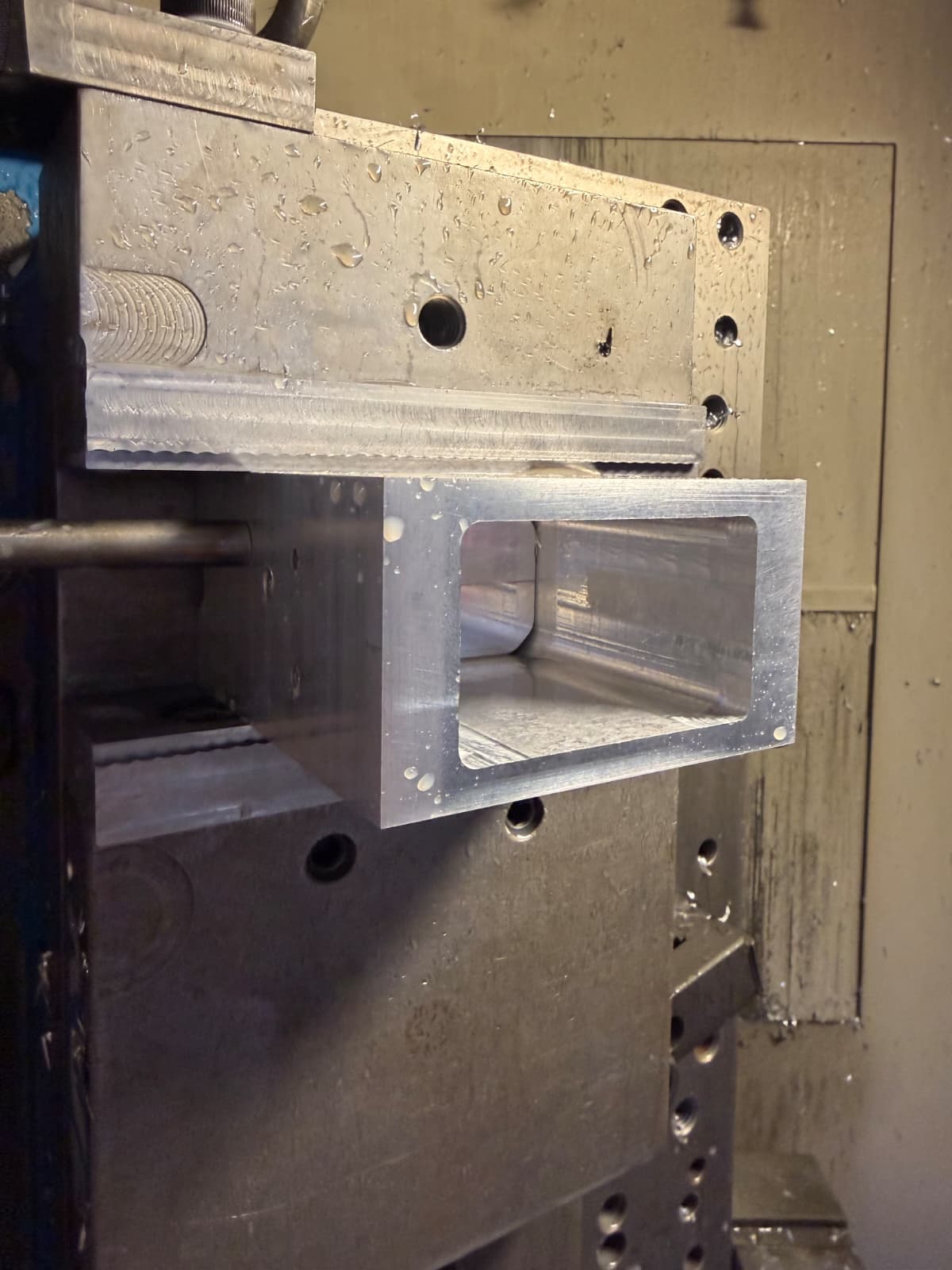
Fortune HV500 horizontal machining center
- Complex prismatic parts
- Multi-sided components
- Housings
- Panels
- Plates
- Fixtures
- Precision pockets
- Hole patterns
- Complex surfaces
- Multi-operation parts

About
From concept to functional parts — fast.
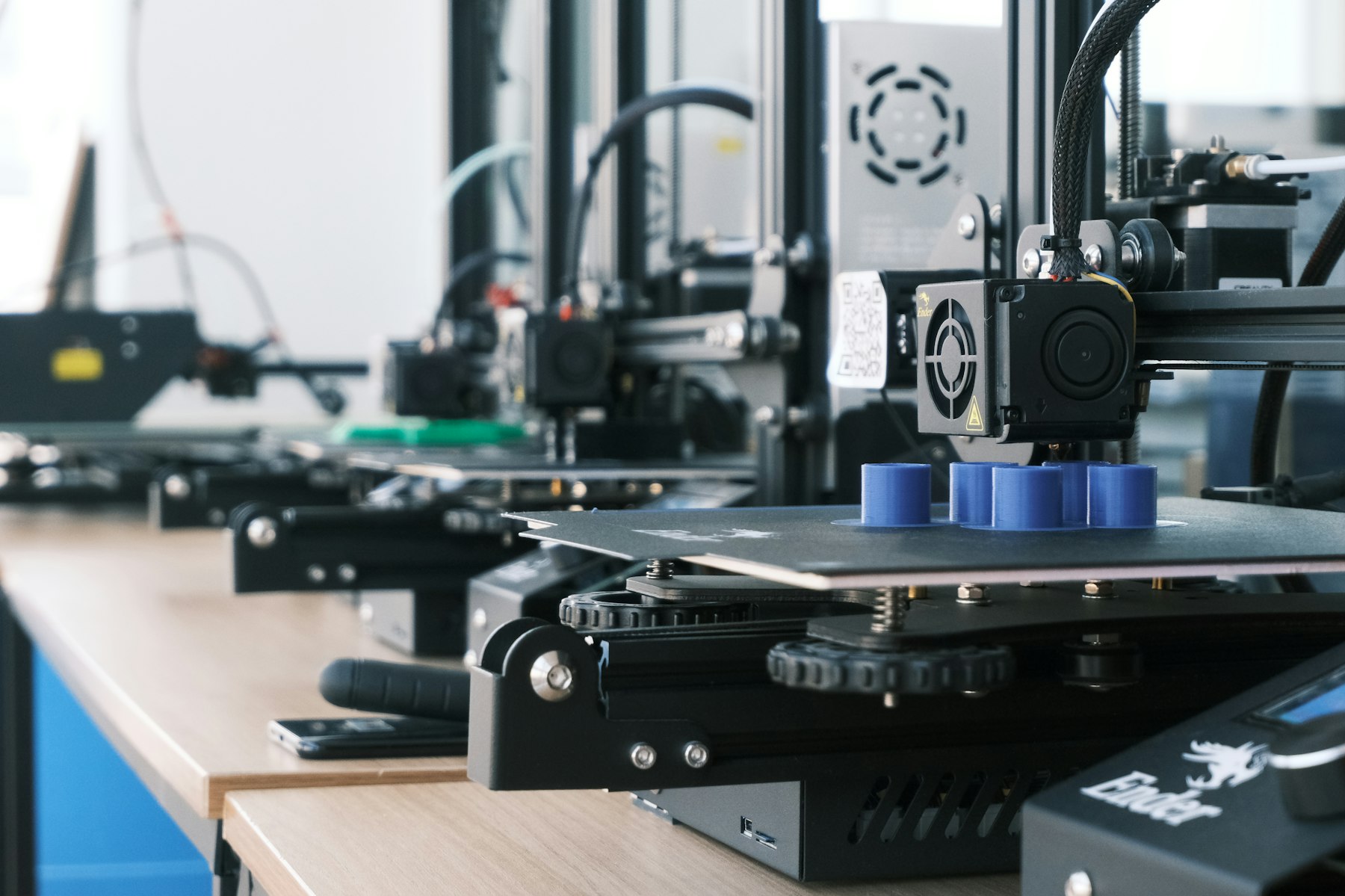
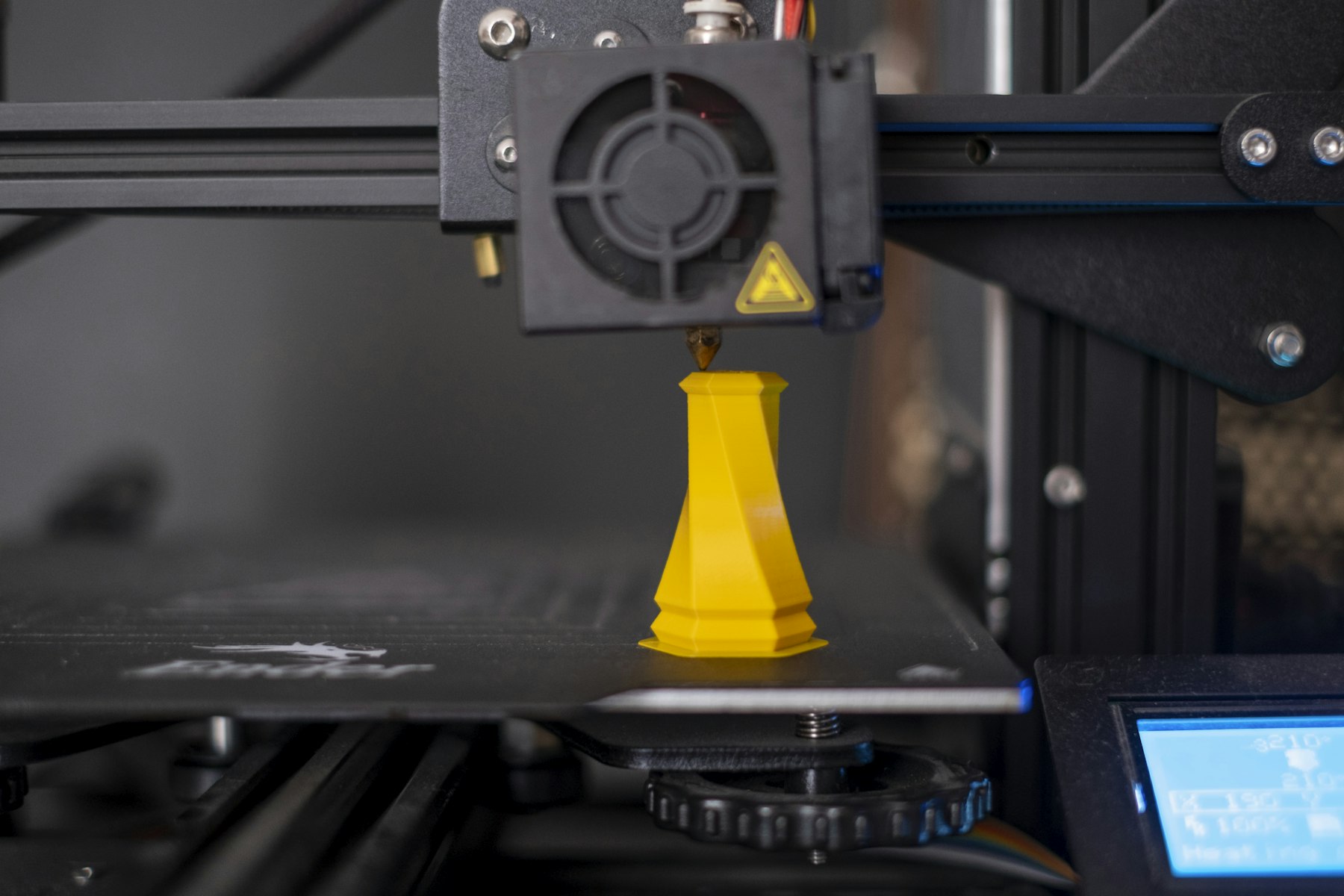
Montgomery Precision helps customers move quickly from an idea, drawing, or CAD model to functional prototype parts.
Our rapid prototyping capabilities combine CNC machining, fabrication, engineering support, and a trusted network of qualified manufacturing partners to help customers shorten development cycles and keep projects moving. Whether you need a single complex machined component, a small batch of test parts, or a prototype assembly with inspection and finishing requirements, we can support the process from concept through delivery.
Rapid prototyping capabilities
We work with both simple and complex parts depending on material, tolerance, geometry, finishing, and inspection requirements. Our rapid prototyping services can support:
Parts & hardware
Development & validation
Quick lead times
Montgomery Precision is structured to respond quickly to prototype requirements so customers can test ideas, identify design changes, and move toward production without unnecessary delays. Depending on the complexity of the project, we can support:
Expedited prototype machining
Short lead-time production
Fast design revisions
Quick-turn replacement parts
Time-sensitive test hardware
Prototype-to-production transitions
Our goal is to help reduce the time between design and physical testing.
No large production commitment required
Prototype work should not require a customer to commit to a full production run. We can support low quantities and one-off parts where the primary goal is testing, development, fitment, or validation.
Typical prototype quantities may include:
Once the design is proven, we can also help transition the component into repeat production.
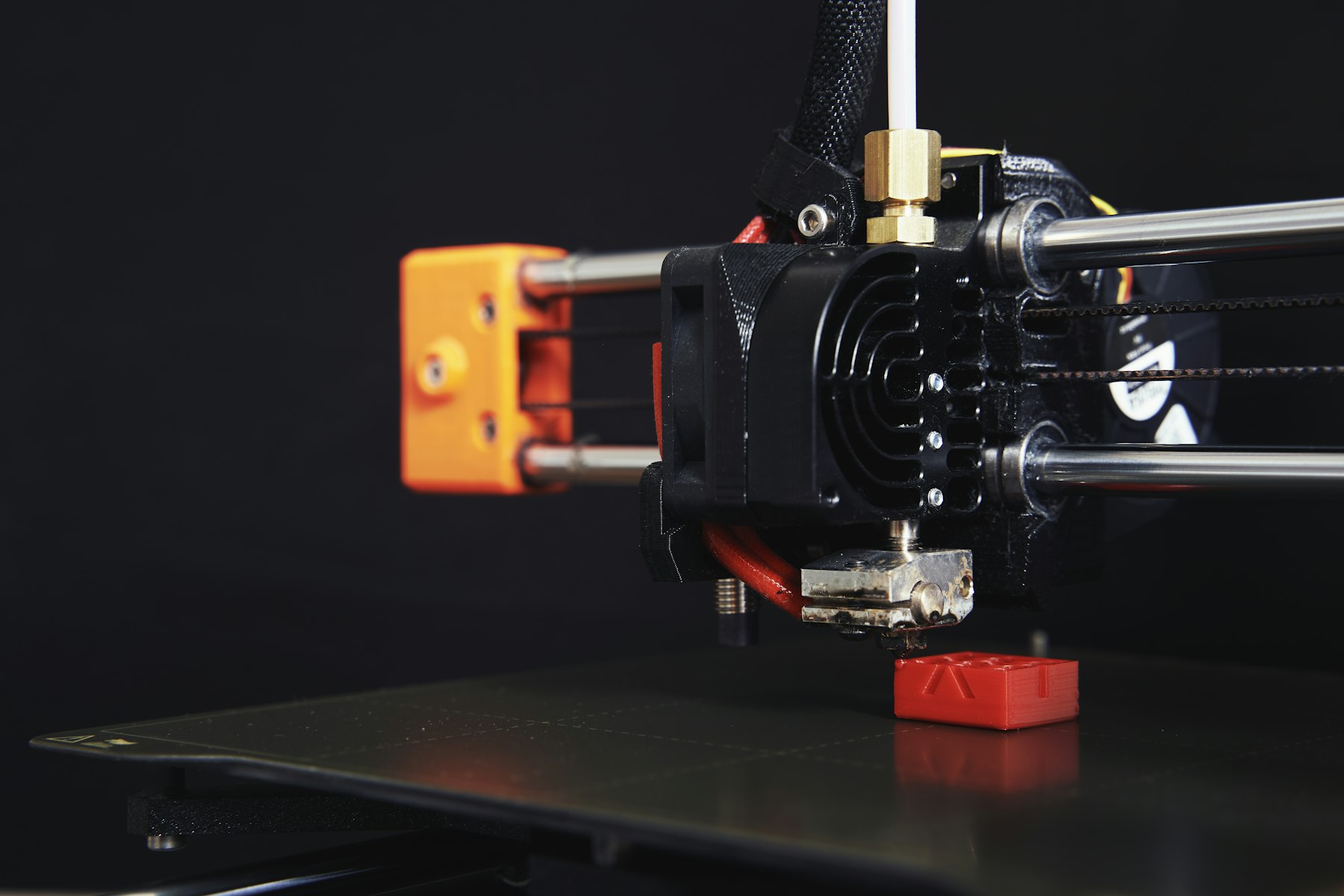
CNC machining for prototypes
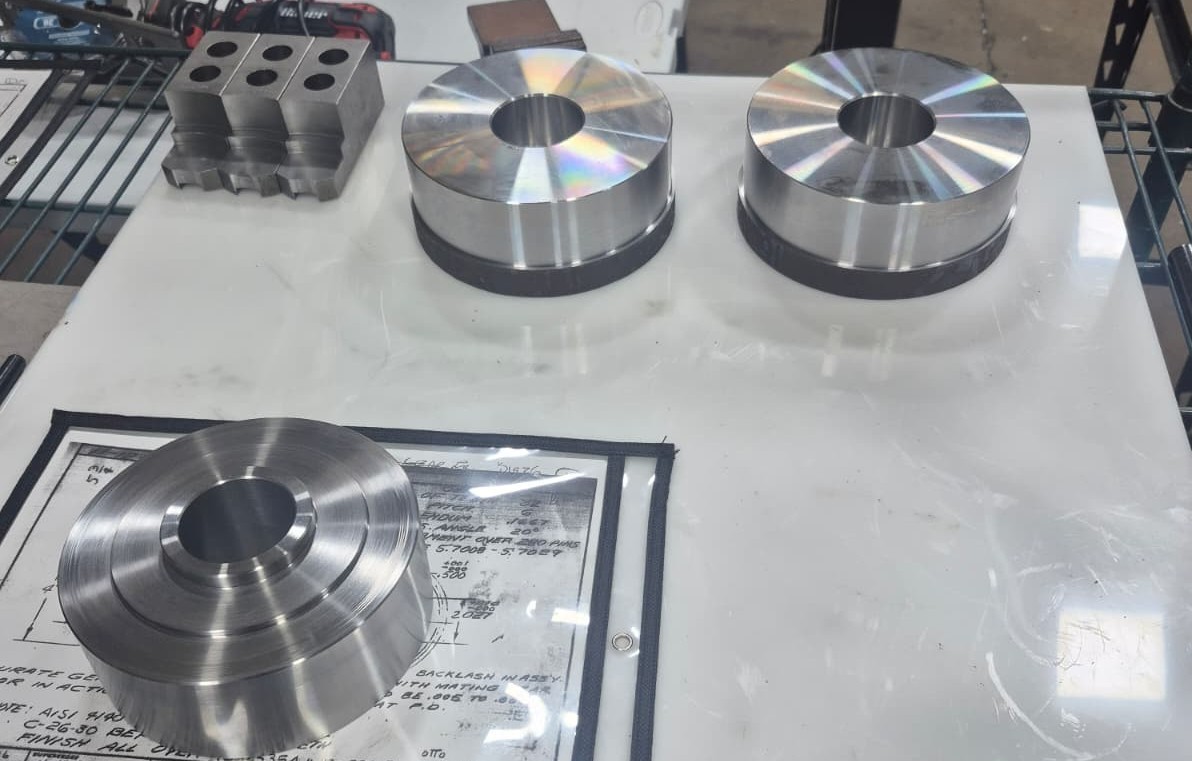
Our in-house CNC machining capabilities allow us to support a wide range of prototype geometries. The combination of milling and turning allows us to support many different prototype part types within the same project.
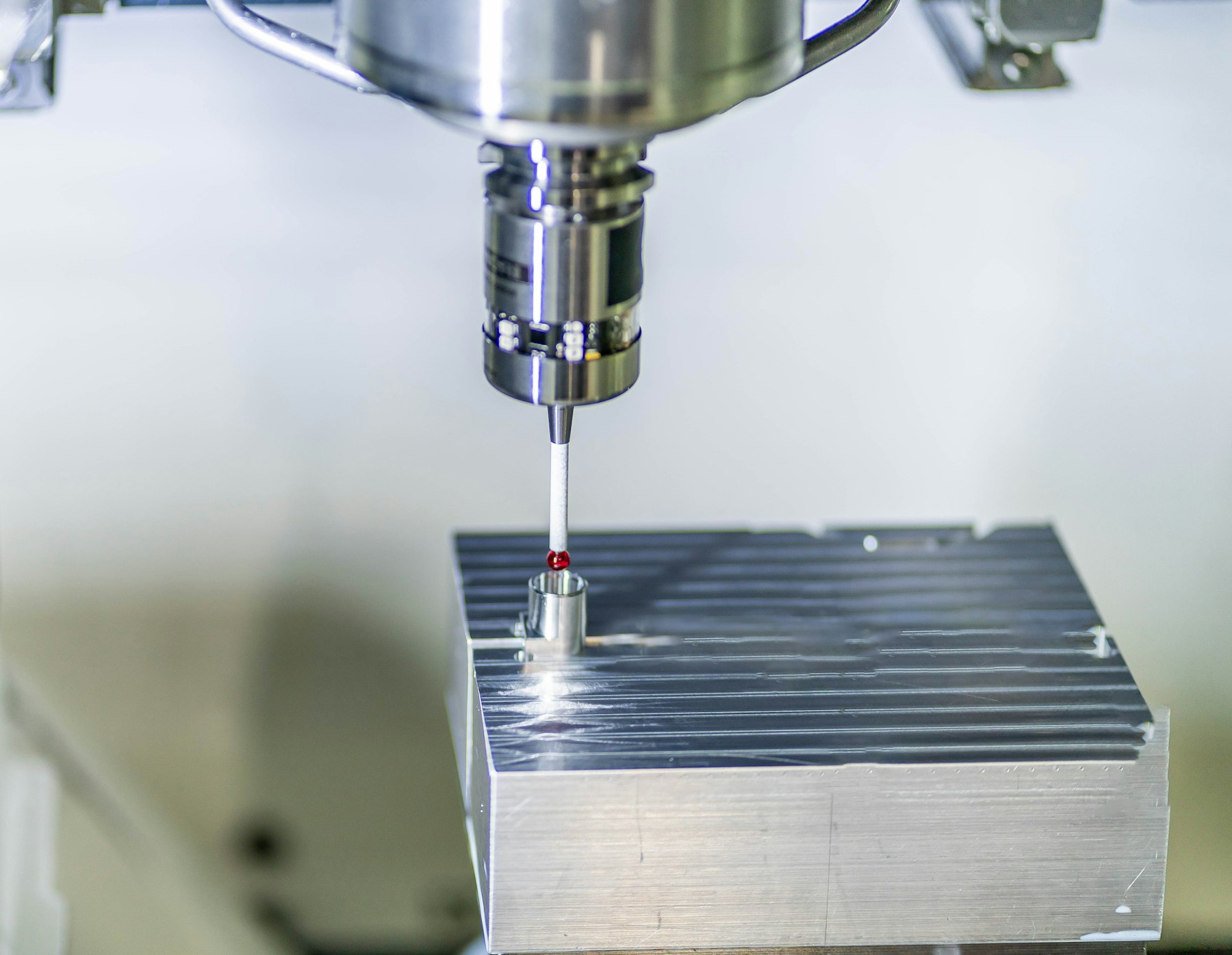
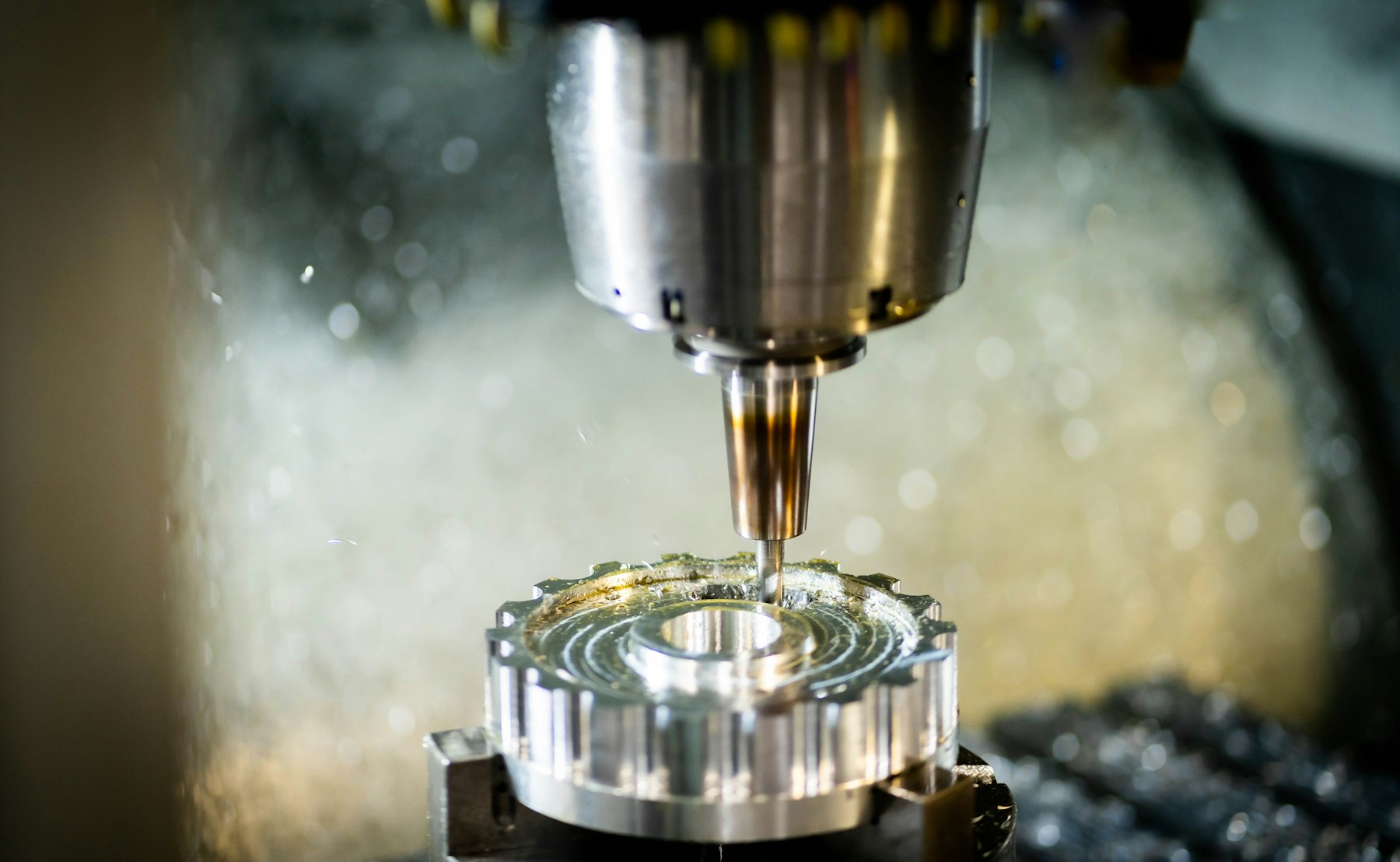
Fortune HV500 horizontal machining center
Two Daewoo Puma 10S CNC turning centers
Engineering support
Some prototype projects begin with a complete manufacturing drawing. Others begin with only an idea. Montgomery Precision can support customers who need both engineering and manufacturing assistance.
We can work from:
Our team can help turn that information into a manufacturable design and then produce the physical part.
Design for manufacturability
Prototype development is often the best time to identify opportunities to improve the design. Our engineering and manufacturing team can review a component for issues involving:
The goal is to help create a design that not only works, but can also be manufactured efficiently as the project moves toward production.
Materials
Depending on project requirements and process suitability, we can support prototype components made from materials including:
Material requirements are reviewed during quoting to determine the appropriate machining and manufacturing approach.
Finishing & secondary operations
Prototype parts often require the same finishing and secondary processes as final production components. Through our in-house capabilities and qualified manufacturing network, we can support requirements such as:
Finishing requirements should be identified during the RFQ process so they can be included in the project schedule and pricing.
Inspection support
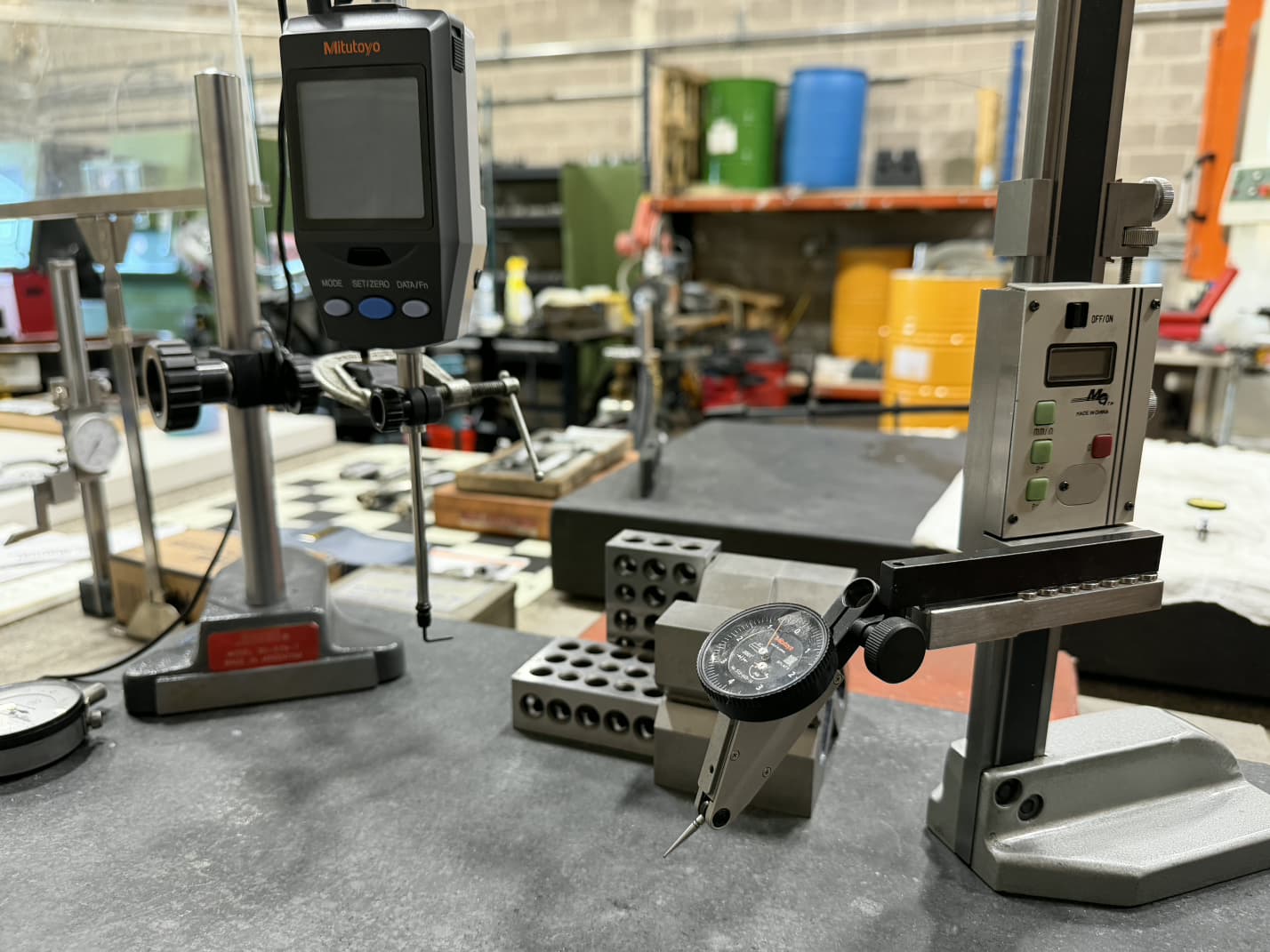
Prototype parts can require anything from basic dimensional verification to advanced inspection documentation. Depending on project requirements, Montgomery Precision can support:
In-process inspection
Final dimensional inspection
Critical feature verification
Inspection reports
Material certifications
Certificates of Conformance
First Article Inspection support
CMM inspection through qualified partners
Inspection requirements are reviewed before production so the appropriate quality plan can be established.
Learn about our quality controlPrototype, test, refine
Rapid prototyping is an iterative process. A design may require several versions before the final configuration is ready for production. Montgomery Precision can support that progression:
When a design changes during testing, we can quickly review the revision and adjust the manufacturing process for the next iteration. This allows customers to continue developing their product without starting over with a new manufacturing partner at every stage.
Prototype to production
One of the advantages of working with Montgomery Precision is that the same team that helps produce the first prototype can also support future production requirements. This helps preserve the knowledge gained during prototype development and apply it to the production process.
Once a component is validated, we can help transition the project into:
Whether you have a finished drawing, a CAD model, an existing part, or simply an idea that needs to become something physical, Montgomery Precision can help. Send us your drawings, models, photos, material requirements, quantity, tolerances, finishing requirements, and required delivery date and we will determine the fastest practical path from concept to finished part.